

COMMERCIAL ICE MANAGEMENT
Commercial Salting, De-Icing & Ice Management Services
Limitless provides commercial salting, de-icing and ice management for parking lots, sidewalks, entrances, ramps and other high-risk surfaces across the Lower Mainland. Winter service plans account for snowfall, temperature changes, refreeze conditions and recurring ice formation so treatment can be coordinated with the way each property operates.

Ice management does not begin when someone notices a slippery surface — it begins with understanding where, when and why ice is likely to form.

Ice Management Planned Around Your Property
Ice does not develop evenly across a site. Shaded areas, slopes, drainage patterns, entrances, compacted traffic zones and surfaces exposed to meltwater can all behave differently as temperatures change.

Salting & De-Icing Matched to Changing Conditions
Effective ice control requires more than applying material after a snowfall. Temperature changes, precipitation type, surface conditions and the possibility of refreeze all influence when treatment may be required.

Service That Extends Beyond the Snowfall
Some of the most challenging winter conditions develop after visible snow has been cleared. Meltwater can move across pavement during the day and freeze again as temperatures fall, while compacted snow and shaded surfaces can continue producing icy conditions.

Ice Management Requires Constant Attention to Changing Conditions
Snow is visible. Ice can be much less obvious.
A property may appear clear while shaded sidewalks, ramps, parking areas or drainage zones are beginning to freeze. That is why salting and de-icing should not be treated as an afterthought to plowing.
What That Means in Real Life
What That Means In Real Life

Known high-risk areas identified before winter
Entrances, ramps and slopes incorporated into priority planning
Parking lots and pedestrian surfaces treated as distinct service zones
Repeat attention where changing conditions require additional service
Freeze-thaw and refreeze conditions considered during winter response
Treatment decisions aligned with contracted service requirements
Salting coordinated with snow plowing and pedestrian clearing

Safety. Access. Documentation.
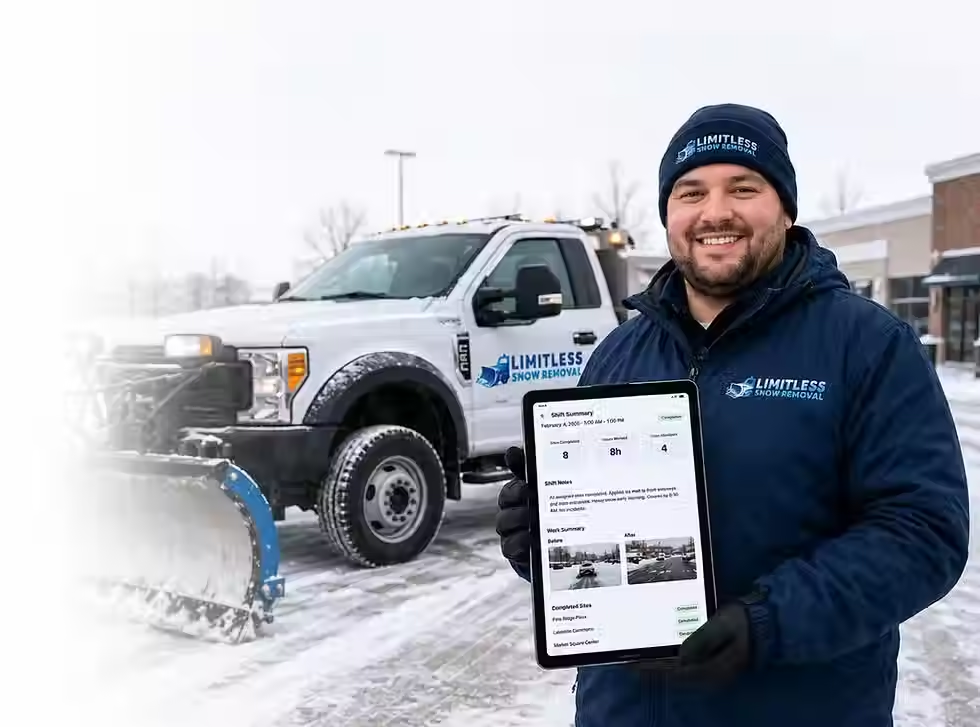
Service activity documented for property-management records


CRITICAL ICE ZONES
Where Commercial Ice Management Matters Most

Ice risk is often concentrated in predictable areas of a property. Slopes, shaded surfaces, high-traffic routes and locations affected by meltwater can require different levels of attention. Effective ice management starts by understanding those patterns before winter conditions become severe.

Parking Lots
Large paved areas experience vehicle compaction, melting and refreezing that can create changing traction conditions throughout a winter event.

Sidewalks & Walkways
Pedestrian routes require careful attention because relatively small patches of ice can directly affect customers, employees, residents and visitors.

Building Entrances
Snow and moisture tracked around entrances can repeatedly melt and refreeze, particularly where temperature differences occur between indoor and outdoor areas.

Ramps & Sloped Surfaces
Inclines require additional attention because reduced traction can have a greater effect on both pedestrian and vehicle movement.

Parkade Approaches
Covered and uncovered transition zones can experience unusual temperature, moisture and drainage conditions that make them recurring winter-service priorities.

Loading & Service Areas
Truck traffic, loading activity and packed snow can create difficult surfaces around areas essential to commercial and industrial operations.

Shaded & Low-Sun Areas
North-facing areas and surfaces shaded by buildings may remain colder longer than surrounding pavement and can retain ice after other areas have improved.

Meltwater & Refreeze Zones
Snow piles, drains and runoff paths can create recurring ice where daytime melting crosses colder pavement and freezes again later.
BUILT FOR COMMERCIAL PROPERTIES
Ice Management for Properties Where Access Cannot Be Left to Chance
Every property presents a different combination of vehicle traffic, pedestrian movement, operating hours and winter exposure. Limitless builds ice-management priorities around how the site is actually used.

Ice Management Priorities
These are the non-nogotiable must-do´s when it comes to salting

Main pedestrian entrances
Accessible ramps and routes
High-traffic sidewalks
Parking and vehicle circulation areas
Slopes and parkade approaches
Loading and service areas
Shaded surfaces
Known meltwater and refreeze zones

Managed Commercial Portfolios
Property managers need consistent winter-service standards across multiple sites while still accounting for the specific ice risks present at each property.

Retail & Shopping Centres
Customer parking, storefront sidewalks and high-traffic entrances need coordinated treatment around business hours and changing pedestrian volumes.

Industrial, Warehouse & Logistics Properties
Large yards, loading areas, truck routes and employee access points can experience compaction and recurring freeze-thaw conditions around continuous operations.

Strata, Condo & Multi-Family Properties
Shared vehicle areas, resident entrances, parkade ramps and common walkways need ice control around daily residential use.

Affordable & Supportive Housing
Resident entrances, accessible routes, ramps and shared walkways can require careful attention where mobility and continuous occupancy are important considerations.

❄️ LOWER MAINLAND COVERAGE
Commercial Salting & Ice Management Across the Lower Mainland
Keep Your Property Moving This Winter.
Plan commercial salting and ice-management before the first freeze and give your property a defined service strategy, appropriate equipment and a team prepared to respond when winter conditions arrive.


One of the Largest
Winter Workforces in BC


One of the Largest
Equipment Fleets in BC

Route Capacity
Strategically Reserved